Alpine Artisans by Eco‑Friendly Rail
Today we set out on eco‑friendly rail itineraries to meet artisans across the Alps, celebrating hands that shape wood, glass, cheese, metal, and textiles beside glaciers and rivers. Glide through valleys with far lower emissions than planes or cars, hop off at story‑rich stations, and step into living workshops that welcome curious travelers with humility, warmth, and a sense of place. Bring your questions, your reusable bottle, and your willingness to listen, because every carriage window frames a new craft, and every schedule can hide a serendipitous conversation that changes how you travel and buy forever.
Scenic, Low‑Carbon Routes That Unlock Hidden Workshops
The Alps reward travelers who choose rails over roads with cleaner air, steady timetables, and windows onto ridgelines where villages hum with craft. From Switzerland’s electric backbones to Austria’s punctual corridors and Italy’s storied passes, these lines thread heritage with sustainability. We’ll point you toward connections that keep emissions light while opening doors to workshops you can actually reach on foot or with a short, electric bus hop, making every stop a chance to meet the makers shaping the region’s living identity.
Stories From the Makers You’ll Meet
Beyond scenic rails lie warm rooms where tools carry decades of memory. Sit with a carver whose grandfather traced similar lines, or a cheesemaker who reads weather in steam. These stories give purpose to every kilometer and help you choose souvenirs built to last. We share field notes and little moments—shared bread at a bench, a nod toward the neighbor’s kiln—that transform purchases into relationships and help sustain communities rooted in mountain wisdom, patience, and careful stewardship of local materials.
A Val Gardena woodcarver greeting the first light
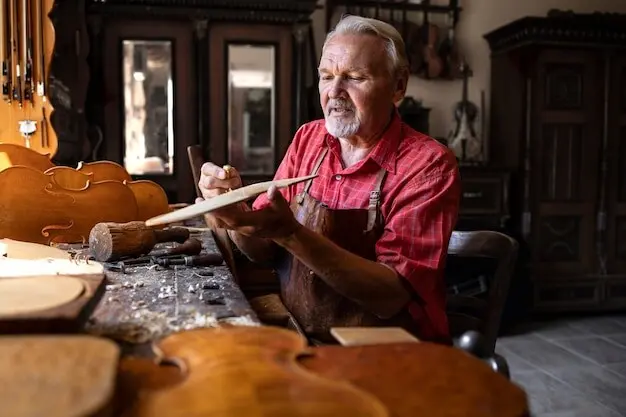
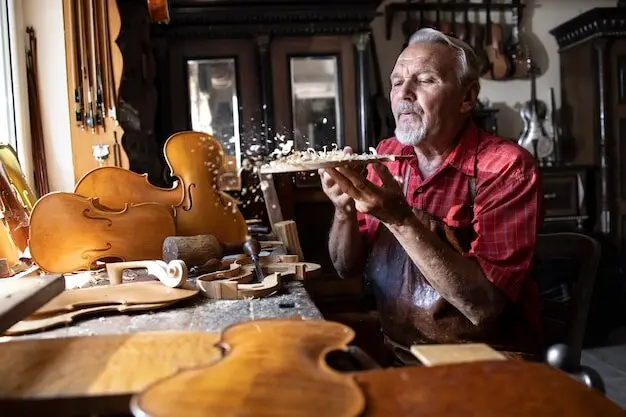
At dawn in Ortisei, a carver lifts shutters to the scent of resin and snow. He learned shaping robes from his mother’s steady hands, details from an uncle who favored birds. You watch chip by chip as an angel’s wing emerges, then trace the walkways to a neighboring workshop where modern lines meet spruce. He speaks softly about storms, sustainable forests, and choosing slower commissions over bulk orders, reminding you that time is a material too, best applied with trust and quiet persistence.
Copper vats and hillside pastures above Gruyères
Morning trains roll into Bulle, and a short bus ride climbs to a dairy where copper meets milk from steep meadows. The maker laughs about tourists expecting instant flavor, then lifts the curd with a practiced grace that speaks of seasons, not minutes. You taste wheels aged in stone, each reflecting pasture flowers and steady patience. When you buy a wedge, he wraps it in paper with directions to a weaver nearby, weaving your day into a tapestry bigger than any single purchase.
Rattenberg glass shimmering beside the Inn
In Austria’s smallest city, the river throws light into furnaces that have glowed through generations. A glassblower invites you to stand back, then closer, as breath and rotation shape a vessel that remembers the current outside. She speaks of apprentices, the slow revival of traditional colors, and sourcing sand with care. Later, your reflection wavers in the finished bowl as trains hum beyond the archway, a promise that skilled hands will still be working when you return in another season.
Practical Planning for Kind Travel
Thoughtful preparation keeps your impact low and your days open to discovery. Traveling light makes platform changes fluid and reduces the need for energy‑hungry taxis, while refillable bottles and compact containers cut packaging waste at tastings and markets. Choose lodgings that support local craft, respect workshop rhythms, and treat artisans’ time as precious. A few phrases, a smile, and punctuality do wonders. With these habits, every meeting becomes collaboration, every purchase becomes support, and every itinerary feels grounded rather than rushed.
What to pack for nimble station sprints
Bring a soft backpack that fits overhead, merino layers that handle changing altitudes, and shoes happy on cobbles and sawdust alike. Add a compact notebook for names, processes, and stories, plus a small, crush‑proof tube for safely transporting posters or prints. A microfiber cloth helps protect glass or lacquered wood, while a collapsible tote keeps packaging minimal. With weight trimmed, you can catch that earlier connection to a forge demonstration without stress, arriving attentive, unflustered, and ready to listen with your whole body.

Sleep near junctions and support local craft
Booking a room beside a rail hub like Chur, Innsbruck, or Bolzano creates flexibility for early workshops and late markets. Ask hosts about nearby makers they personally recommend; many keep informal maps with opening hours and walking shortcuts. Some guesthouses display local ceramics or textiles for sale and will introduce you to the creators over breakfast. You circulate your budget where it matters, save time on transfers, and build bonds that can lead to private visits, slow conversations, and invitations not found on any brochure.
Etiquette inside working studios
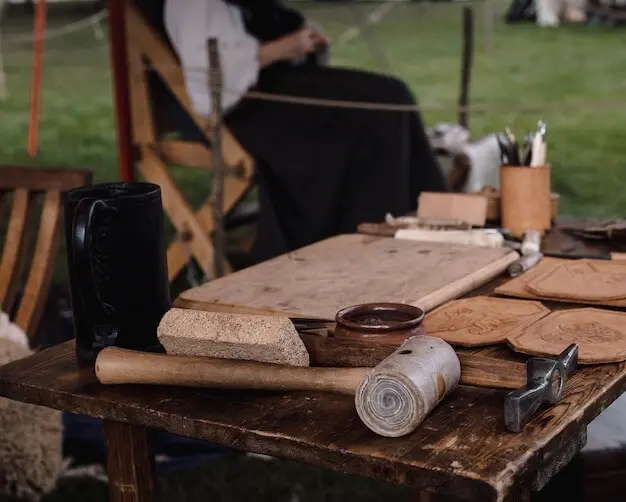
Studios are workplaces, not museums. Ask before photographing, step carefully around tools, and resist interrupting concentration until a natural pause. If a maker offers tea, accept with thanks and ask open questions about materials, apprenticeships, and maintenance. Negotiate respectfully, understanding that fair pricing sustains tradition and safety. When you post online, credit by name and location, guiding other travelers to responsible visits. These small courtesies protect fragile economies, deepen your learning, and turn a quick stop into a relationship that outlives your ticket.
Country‑by‑Country Itinerary Blueprints
Use these sample arcs as starting points rather than scripts, adjusting for weather, festivals, and workshop calendars. Each connects major rail lines with short links to concentrated clusters of makers. Build in pauses for markets, lunches, and serendipitous detours sparked by a friendly recommendation. The goal is momentum without hurry, depth without heaviness, and routes that leave space for the unexpected conversation that teaches you more than any guide could. Share your tweaks with fellow readers so the map grows richer together.
Switzerland: Zurich–Chur–Samedan–Poschiavo–Brig arc
Start in Zurich for galleries sourcing local crafts, then ride to Chur and into the Engadin where engravers and bakers welcome visitors. Continue over the Bernina to Poschiavo’s stone lanes and onward to Brig for chocolate, paper artists, and a quick hop to nearby villages. Most lines are electrified, frequencies steady, and connections comfortable. Leave time in Samedan for a slow lunch, because the afternoon often brings unplanned meetings, like a silversmith who sets aside a file to share hard‑won insights on patience.
France: Lyon–Annecy–Chamonix return via Bellegarde
Board a morning TER to Annecy for lake‑side ateliers weaving linen and shaping knives in nearby valleys. Continue to Chamonix for leatherworkers and photographers inspired by granite and ice, using Mont‑Blanc views as fuel rather than spectacle. Return via Bellegarde to connect with TGV options, or linger for Alpine cheesemongers who can unpack entire seasons from a single slice. Trains keep schedules generous enough to wander old streets between visits, exchanging a hurried checklist for layered, personal encounters that echo long after departure.
Italy and Austria: Milan–Tirano–Innsbruck via the Bernina and Brenner
From Milan, regional rails slip to Tirano and the Bernina’s skyward sweep, ending near orchards and workshops that turn wood and wool into useful, beautiful forms. Move north through Bolzano to Innsbruck, where the river ushers you toward felt makers, glass studios, and tool shops. Detour into valleys by bus for bell foundries and timber inlay. Return via the Brenner, savoring each border crossing as a bridge rather than a boundary. With steady trains and friendly stops, this arc blends grandeur with hands‑on learning.
Seasons, Markets, and Festivals
Craft breathes with the calendar. Spring brings fresh dyes, herbs, and soft light; summer unfurls fairs where entire streets become open studios; autumn parades livestock through decorated lanes; winter wraps squares in warm stalls and candlelight. Planning around these rhythms multiplies your chances of meeting makers at their most generous and energized. It also helps align purchases with seasonal materials and techniques. We’ll note celebrations worth rerouting for and share tips for handling crowds while keeping your footprint gentle and your curiosity undimmed.

Smart Budget, Safety, and Inclusivity
Travel that uplifts makers should be accessible, safe, and financially sustainable for you too. Passes can shrink costs without shrinking curiosity, stations increasingly support step‑free movement, and community helps solo travelers feel anchored. We’ll outline strategies to stretch euros without cutting ethical corners, point to assistance services on mountain lines, and share gentle scripts for language gaps. With planning and kindness, you can focus on conversations, craft, and landscapes rather than logistics, turning a once‑in‑a‑lifetime idea into a repeatable, shareable ritual.