Carving Sound and Story in the Dolomites

Today we wander among woodcarving and luthier workshops in South Tyrol, where seasoned spruce, stone pine, and maple become saints, masks, violins, and guitars under steady hands. Meet artisans balancing mountain tradition with daring design, listen as new instruments open their voices, and learn how to visit respectfully. Share your questions, subscribe for fresh studio spotlights, and tell us which craft sparks your curiosity so we can guide your next creative stop in these bright, alpine valleys.

From Alpine Forest to Living Form

{{SECTION_SUBTITLE}}
Resonant Spruce and Flamed Maple
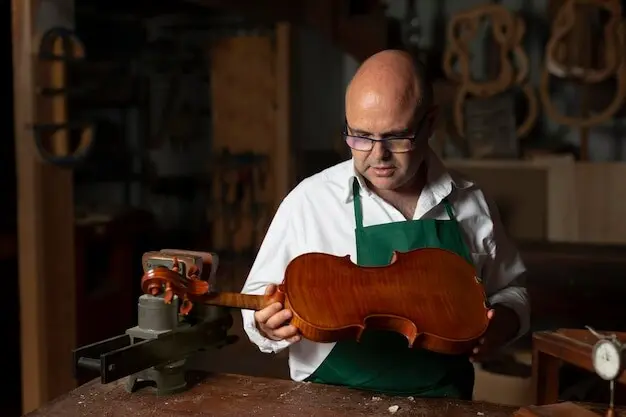
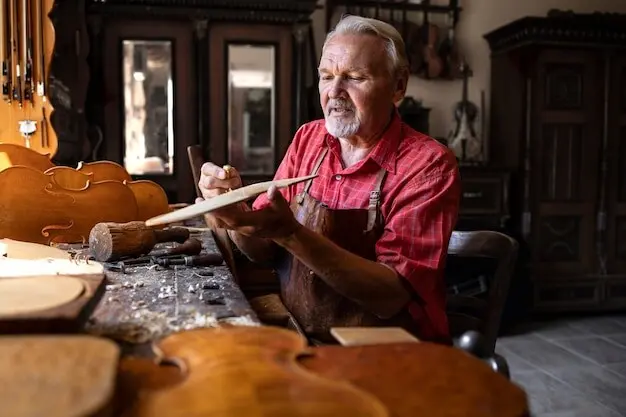
Instrument makers weigh billets in their palms, tapping for lively response and checking straight, even grain. Alpine spruce offers excellent stiffness-to-weight ratios, while flamed maple shapes strong, elegant backs and necks. Selected in winter, split along the grain, and patiently dried, these woods reward restraint. Nearby valleys are famed for resonance timber, and South Tyrolean benches transform that promise into plates that shimmer with overtones and honest, singing sustain.

Stone Pine, Larch, and Walnut

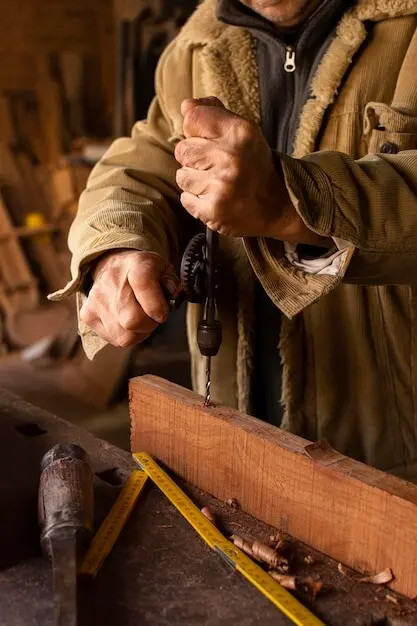
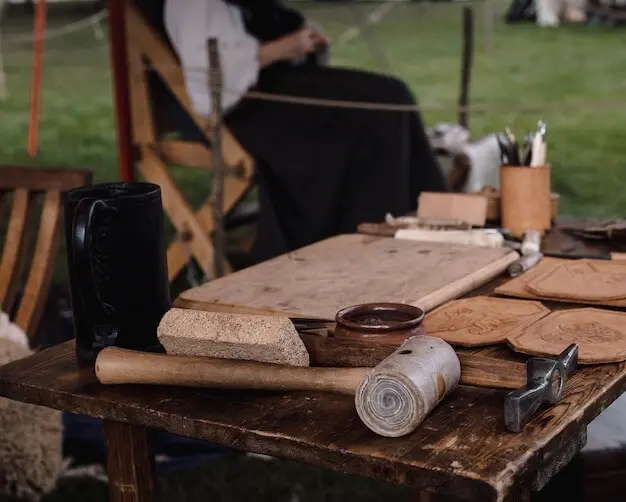
Carvers reach for stone pine when seeking buttery cuts, subtle scent, and fine detail in faces, drapery, and flowing hair. Larch brings rugged resilience; walnut adds noble warmth to reliefs and household treasures. Each species demands different bevel angles and whetstone habits. Understanding fibers, ring orientation, and knife pressure avoids tear-out and honors the tree. Regional knowledge, passed through families, guides wood choice so figures breathe with character rather than stiffness.

Val Gardena Stories, Ahrntal Masks, and Bolzano Studios

Across Ortisei, Santa Cristina, and Selva in Val Gardena, generations refine expressive carving, from tender nativity sets to monumental saints. In Ahrntal, winter masks glare with mischief, challenging darkness with carved bravado. Down in Bolzano and Bressanone, quiet rooms smell of resin and varnish where violins awaken. Travelers meet humility, humor, and precision at the bench. A single afternoon can connect family lineages, Ladin language, and modern creativity, knitting mountains, craft, and music into one conversation.

A Family Bench in Ortisei

Imagine a sunlit attic where a grandfather’s patterns hang beside new sketches exploring bolder lines. A fourth-generation carver sets aside a half-finished angel to show the smallest gouge, worn smooth by decades. Stories slip between German, Italian, and Ladin as tea steams beside shavings. You recognize patience shaped by snowfall, feast days, and long orders, and feel invited to read faces not as products but as neighbors, welcoming you with carved kindness.

Winter Masks with Firelight Eyes

In Ahrntal, masks rise from raw wood into characters both fearsome and playful. Horns twist, tongues loll, and eyebrows explode into shadow. Carvers respect safety and myth, carving deep to capture drama without weakening fragile edges. During parades, torchlight catches tool marks, showcasing intention rather than flaw. These pieces are wearable sculptures, balanced for breath and movement, revealing how craft serves community traditions, scares winter away, and keeps laughter loud despite biting mountain cold.

Graduation and the Whispering Plate

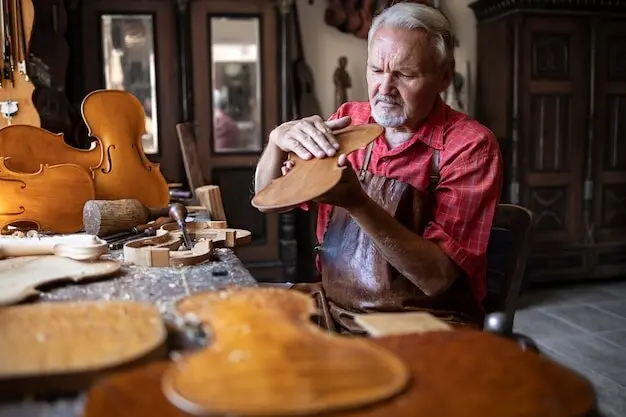
Hold a half-carved spruce plate and tap near the lower bout; subtle pitches answer like wind on a ridge. Graduating thickness blends stiffness and flexibility, guiding response across registers. Makers thin cautiously around recurve zones, comparing modes by ear and spectrum. Each shaving risks imbalance, so decisions ride on experience and notes from earlier instruments. The result is a responsive surface that rewards bow nuance, carries in rooms, and ages into deeper color.

Varnish That Breathes

Resin, oil, spirits, and pigments form more than decoration: they shape feel under the bow and the instrument’s long future. Coats must be whisper-thin, elastic, and cured with patience. South Tyrolean sunlight, controlled UV boxes, and cool cellars help layers settle. Color nods to tradition without smothering grain. Too thick and tone dulls; too soft and wear invites chaos. The best finishes glow like late alpine light, protective yet welcoming every passing year.

Setup and the First Note

Bridge feet must kiss the top precisely; the soundpost stands balanced like a quiet counselor. Tailpiece afterlength, string choice, and nut relief shape personality. Makers adjust in small steps, testing response, wolf notes, and articulation. Players return days later as everything relaxes. Conversations unfold about bow hold, repertoire, and hall size. When a note finally blooms effortlessly, smiles replace tools. That partnership between craft and musician becomes the real certificate, stronger than paper promises.

Visiting with Respect and Joy

Workshops are workplaces first, full of sharp edges, delicate surfaces, and focused minds. You are welcome, yet your presence changes the rhythm. Arrive with appointments, honor quiet hours, and ask before touching or photographing. Makers love sharing when safety, timelines, and privacy stay intact. If a commission tempts you, discuss budgets, wood options, lead times, and shipping calmly. Your kindness earns deeper stories, better guidance, and a friendship that outlasts souvenirs by many warm winters.

How to Book, When to Knock

Call or message ahead, mentioning your interests and group size. Some villages keep mid-day breaks, and market days can be hectic. Propose flexible times, arrive punctually, and bring curiosity. If a maker declines today, accept it graciously; deadlines whisper loudly near exhibitions and festivals. Return with a pastry from the corner bakery and patience, and doors open wider. A clear plan leaves space for serendipity, letting you discover hidden courtyards humming with quiet craft.

Looking with Hands in Pockets

Fresh varnish smudges easily, knife edges bite, and delicate shavings conceal tiny tools. Ask permission before touching anything, especially works in progress. If photography feels important, check angles and backgrounds to avoid sensitive documents. Makers appreciate questions about technique, wood, and history that invite conversation rather than interrogation. Offer to tag their studio on social channels thoughtfully. Respect multiplies access, turning a quick hello into an unhurried tour where drawers open and stories find daylight.

Design Language Rooted in Mountains

South Tyrolean aesthetics blend alpine flora, sacred iconography, and clean contemporary lines. Chip carving brightens furniture; high-relief figures radiate tenderness; masks lunge with theatrical force. Luthier scrolls nod to baroque grace while purfling whispers fine geometry. Many voices share one landscape, and innovation thrives beside memory. Expect edelweiss garlands, Ladin motifs, minimalist silhouettes, and a playful courage that embraces color, negative space, and juxtaposition. Tradition here bends without breaking, welcoming fresh hands confidently.

Care for Wood and Sound Across Seasons
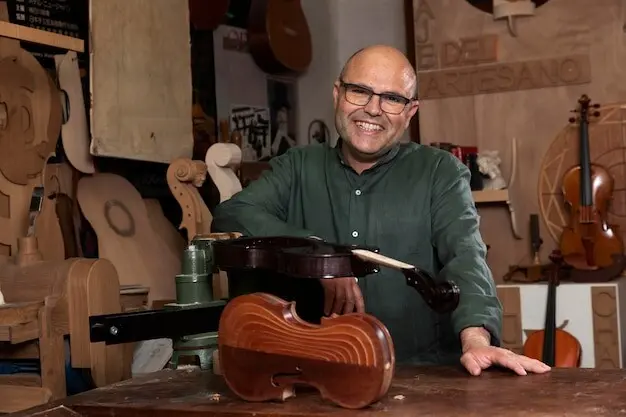
Life in the Alps teaches respect for humidity swings, summer heat, and winter dryness. Wood responds to climate like skin, needing gentle balance rather than panic. Simple habits—stable storage, careful cleaning, and prompt repair—preserve both sculpture detail and instrument voice. Makers provide clear guidelines for oils, waxes, polishes, and case choices. Follow them, and time becomes an ally. Ignore them, and micro-cracks, loose seams, and dulled color arrive silently, demanding costlier, avoidable interventions later.

Seasons of Craft and Music

Winter brings candlelit markets and mask parades; spring opens trails and daylight for studio visits; summer offers festivals, luthier concerts, and carving demonstrations; autumn glows with harvest colors, perfect for photography. Check local calendars for UNIKA dates, village feasts, and museum shows. Reserve accommodations early during popular weeks. Pair morning hikes with afternoon studio time and an evening recital. Share your favorite season with us, and we’ll send tailored suggestions that match your pace and passions.

Villages, Trails, and Quiet Hours

Ortisei’s pedestrian lanes, Santa Cristina’s slopes, and Selva’s dramatic cliffs make logistics both scenic and simple. Many workshops sit just off main squares or along gentle trails. Remember midday closures and Sunday rest; build in pauses for strudel and views. Consider regional passes for buses and lifts to weave nature between visits. If you discover a hidden atelier, tell us about access and hospitality so we can refine directions and help future travelers arrive prepared and grateful.

Stay Connected and Share Back

We love hearing which carvers moved you, which instruments surprised your ear, and what you wish you had known earlier. Leave a message with questions, subscribe for new workshop profiles, and request introductions if you’re commissioning. Share photos responsibly, crediting makers clearly. If a guide helped, we’ll update itineraries and send printable checklists. Your feedback shapes future features, making every return visit brighter, kinder, and more informed for everyone who cherishes these mountains and the crafts thriving here.
Rinotoratemimorisanopira
Privacy Overview

This website uses cookies so that we can provide you with the best user experience possible. Cookie information is stored in your browser and performs functions such as recognising you when you return to our website and helping our team to understand which sections of the website you find most interesting and useful.